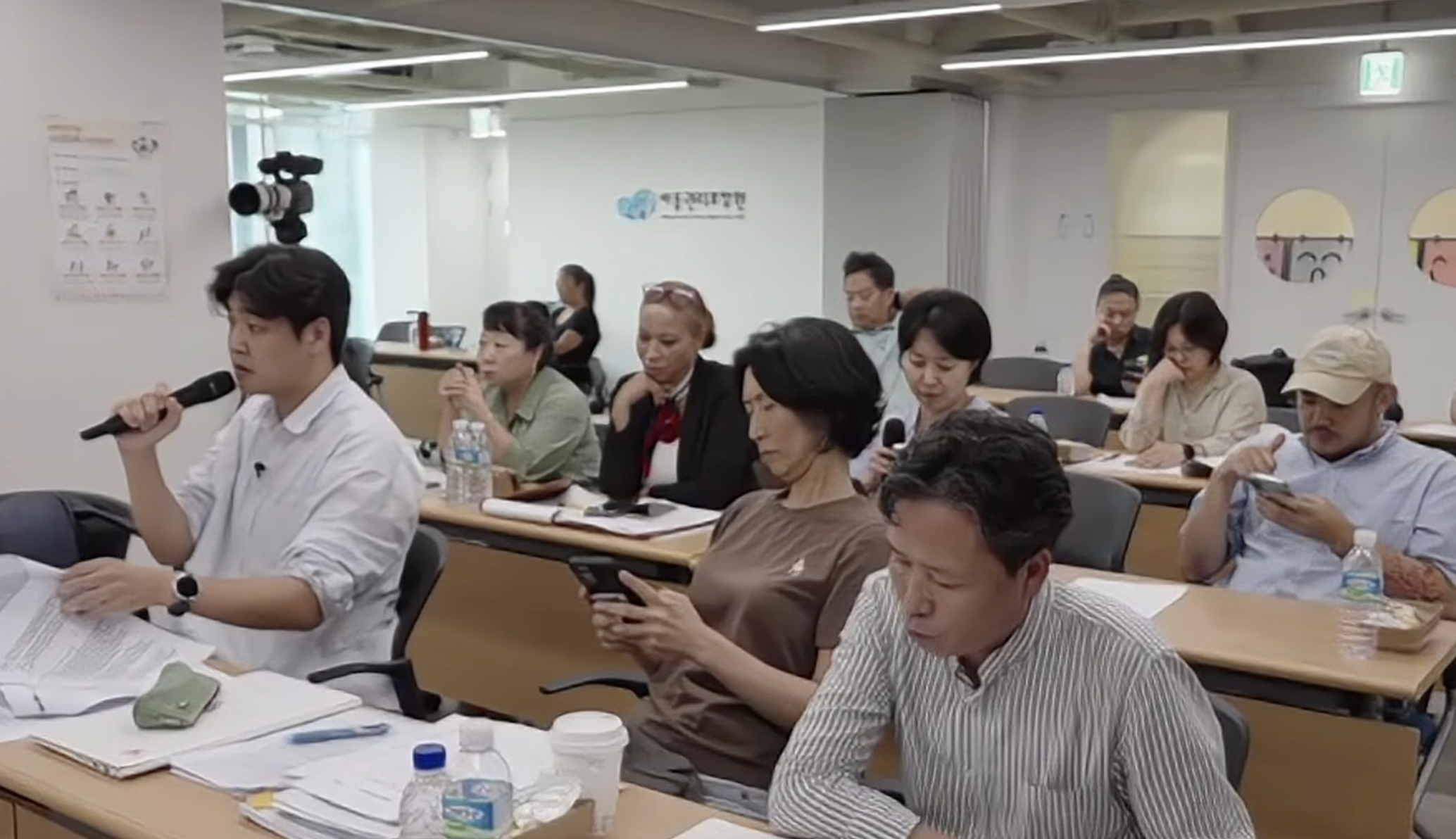
Following the reorganization of South Korea’s adoption system, as well as the changes to the information disclosure request system, the National Center for the Rights of the Child (NCRC) held a briefing session to address adoptees’ inquiries regarding the transfer and preservation of adoption records to the government. The sessions were broken up into two sections to accommodate global time zones (Session 1 @8:00 AM KST, Session 2 @2:00 PM KST). Some content (ex. the beginning presentation) has been edited to avoid repetition.
NCRC Response
On August 14th, 2025 the NCRC sent a 22-page follow-up document to Q&A participants regarding the adoption file transfer.
EARS Rebuttal
Rebuttal posted to the EARS Instagram on September 18th, 2025.
Issue 1: Vague Answers
The NCRC does not provide clear timelines or details regarding the transfer, the storage center, or the budget. With no clear expectations, accountability is impossible.
EXAMPLES:
1. NCRC:“[We] will be entering into negotiations for the construction of a permanent storage facility.”— There are no timelines or clear deadlines.
2. Question: How is the temporary facility funded? Can you explain the budget breakdown?
NCRC: “The temporary storage facility is maintained with government funds.”—There is no mention of any numbers or actual funding sources.
ISSUE 2: Contradictions
The NCRC is not consistent when it comes to significant details.
EXAMPLES:
Question: Is the NCRC transferring and storing the letters and photos that are not officially part of the adoption record?
NCRC: “Currently, the NCRC is only planning to store original adoption records in accordance with the Special Act on Domestic Adoption.”
Email to adoptee (Aug 4th, 2025): “Letters or photographs that occur after the adoption are typically considered part of the post-adoption services and are not included in the official adoption records.”
Question: Can I re-obtain all of the materials I’ve already received from the adoption agency (letters, photos, etc.) from the NCRC?
NCRC: “Yes.”
The answers to these questions are not clear and directly contradict past communication.
Issue 3: Lack of Expertise
The NCRC maintains that they consulted “record managers” and that several people on their own staff are “record managers” but have never provided experience, training or credentials.
EXAMPLES:
Question: Do NCRC employees have expertise in record management and/or the history of Korean adoption?
A: NCRC:“We have several employees who are records managers.”
Question: What internal NCRC experts were consulted on the temporary storage facility’s designation?
NCRC: “Records managers were consulted.”
Who are these “record managers” that were on staff/consulted?